

Blog
Plan Your Baby's Rice Ceremony with These 8 Tips
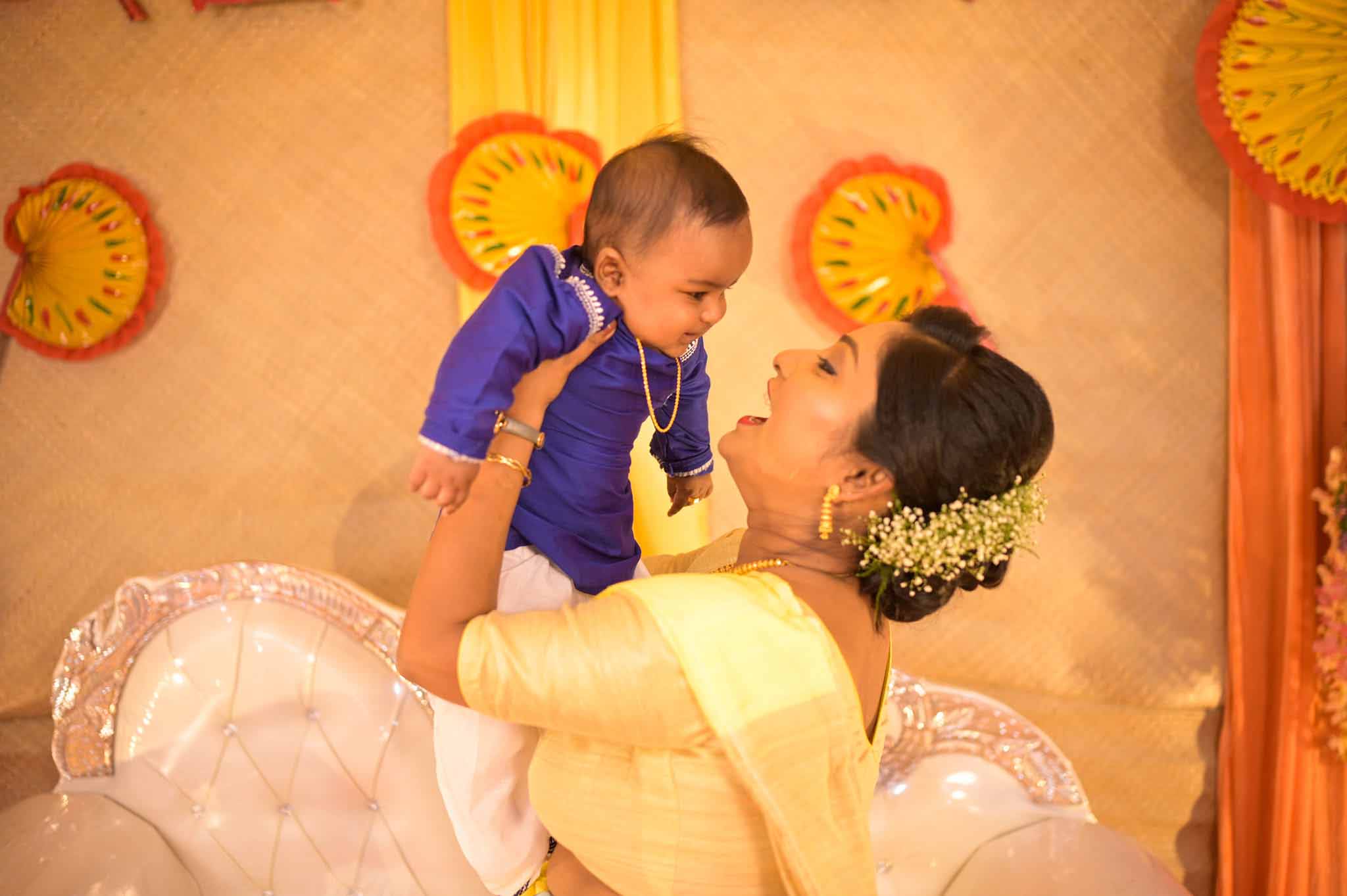
The first rice feeding ceremony, also known as “Annaprashan”, symbolises a baby's introduction to solid food. The word Annaprashan means “grain feeding.” In Vedic Hindu culture, the child cannot consume rice until the Annaprashan is completed. This beautiful event holds cultural importance, marking a crucial milestone in the infant's life. It is important to make these moments special and memorable. Hiring an event photographer ensures the ceremony is beautifully documented for everlasting memories.
8 Tips you can follow for your baby’s rice ceremony
Planning and hosting a rice ceremony can be a hectic process. To make this process, here are 8 tips to keep in mind while planning a memorable ceremony.
1. Curate aesthetic and fun Invitation Cards
The first step to any successful event is an eye-catching invitation. Choose a theme that reflects your rice ceremony occasion. You can use vibrant colours and cute baby-related motifs on the card. Also, add a personal touch by including a sweet photo of your little one. You can explore Pinterest for some unique invitation card ideas.
Make sure to include all the essential details such as date, time, venue and RSVP information. Keep the language simple and inviting, so guests feel the warmth of the occasion.
2. Create a happy and warm atmosphere
Make sure to create a warm and inviting atmosphere for a memorable Rice Ceremony. Opt for decorations that align with the theme you have chosen for the invitation cards. Balloons, banners, streamers and floral arrangements are classic choices. For the decor as well, you can take the help of Pinterest to get some inspiration for your decor.
Incorporating traditional elements like the use of marigold garlands can add cultural significance. Make sure you keep the decor child-friendly. Include soft colours and adorable accents. This will not only delight your guests but also create a visually appealing setting for your baby's special day.
3. Pick a comfortable outfit
While planning a perfect rice ceremony for your baby, do not forget to prioritise your baby’s comfort. Choose an outfit for your little one that is both adorable and comfortable. Consider the weather conditions during the rice ceremony. In summer, breathable fabrics like cotton and linen will keep your baby cool and comfortable. During winter, you can go for layered clothing to keep your baby warm.
Also, choose loose-fitting clothing that does not restrict movement. Consider using fasteners like buttons or snaps to make dressing and undressing easier.
4. Carefully plan the menu
Before crafting the menu for your guests, you should decide the menu for your baby’s rice ceremony. As your baby is very young, you should first consult your paediatrician to find out what foods are safe for your baby to eat. Once you have sorted the menu for your baby, move ahead to your guest’s menu.
Craft a menu that caters to both adults and children. Add finger foods and snacks are usually a hit. Include a mix of traditional dishes and crowd-pleasers to ensure everyone finds something they enjoy. Do not forget to include any dietary restrictions your guests may have. Keep the servings simple and manageable to avoid any unnecessary stress on the big day.
5. Hire a professional photographer
Hire a photographer to capture all the precious moments of the day. From the adorable expressions on your baby's face to the joy shared among family and friends, these photographs will become cherished memories.
You can create a dedicated photo booth or a selfie zone with props that add a playful element to the celebration. Encourage guests to take pictures and create lasting memories that you can look back on with fondness.
6. Organise a smooth ceremony
Organise your ceremony in a way that it runs smoothly. Assign someone who will guide the guests to their seats. Create a proper schedule for the rice feeding ceremony and other traditional rituals. Having a clear timeline will help you stay organised. You will be able to attend to your guests personally without much hassle.
Organising a smoother ceremony will create a stress-free environment and you will be able to enjoy your baby’s rice ceremony.
7. Keep a personalised message board
Placing a personalised message board at the venue can be a wonderful addition to your baby's Rice Ceremony. Provide a designated space where guests can share heartfelt messages for your little one. Encourage attendees to express their joy, blessings and memorable moments on the board.
These personalised messages will serve as cherished keepsakes. This offers a unique and touching glimpse into the love and warmth that surrounded the occasion. After years, these heartfelt notes will undoubtedly bring back treasured memories of your baby's Rice Ceremony.
8. Choose thoughtful return gifts
Express your gratitude to your guests with thoughtful return gifts. Consider small, practical items that align with the theme of the event. You can give away assorted dry fruits, snacks, chocolates and fun stationary items in a combo set. These items are perfect not just for adults but also for children who will be attending the event.
Plan according to your budget. Do not go overboard with return gifts. Keep in mind to select gift items which are loved by all. You can also add a personalised thank you note to show your appreciation.
Conclusion
A rice ceremony also popularly known as “Annaprashan” can be hectic for both the parent and the baby. Plan for nap times and feeding schedules for your baby to avoid any meltdowns. Create a quiet and cosy space where your baby can sleep if the celebrations become a bit overwhelming. Make sure that you stay energetic and positive during the event as your baby will tend to get cranky because of the crowd. Remember, happy and comfortable babies make for happy celebrations!
7 Bengali Wedding Rituals You Must Know
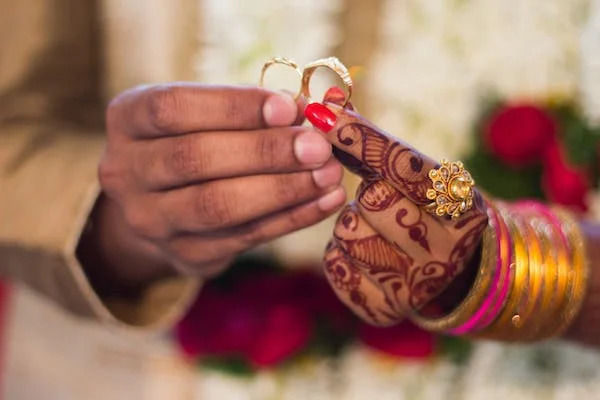
Bengali wedding rituals are not just ceremonies, they carry rich cultural heritage and meaning. Each ritual is unique and has its meaning, which sets traditional Bengali weddings apart. A beautiful love story begins as these rituals bind the bride and groom together.
7 Most Important Bengali Wedding Rituals
Bengali weddings are more than just exciting and meaningful rituals. They are a blend of exquisite food and entertainment. Bengali weddings are filled with joy, happiness and colours. Families and friends wear new and vibrant clothes. It is a series of amazing moments that make everyone’s hearts filled with warmth and happiness.
Here are some of the most interesting Bengali wedding rituals you must know:
1. Gaye Holud: The Turmeric Extravaganza
One of the vibrant rituals of Bengali weddings is the turmeric ceremony, also known as ‘Gaye Holud’. This is celebrated in the families of both the bride and groom. First, the groom applies the turmeric paste as it is considered auspicious. Afterwards, the remaining paste is brought to the bride’s home along with a new cotton saree and some other gifts. The remaining turmeric paste is then applied to the bride by her family and friends.
It is widely believed that the sacred turmeric paste protects the bride-to-be from evil eyes. The smearing of turmeric paste also symbolises purity and blessings. Historically, there were no beauty treatments or salons, so people used natural substances to brighten their skin. For all these, Gaye Holud became an integral part of Bengali weddings.
2. Subho Drishti: The Auspicious Gaze
The term ‘Subho Drishti’ literally means “auspicious gaze”. Shubho Drishti is the most iconic Bengali wedding ritual. In this ritual, the bride and groom exchange their first glance. The bride covers her face with a betel leaf and is carried by her brothers on a 'peeri' (a wooden plank used to sit on the floor). The bride takes seven rounds (also known as ‘Saat pak’) of the groom before being face to face with him for the ‘Subho Drishti’.
‘Subho Drishti’ symbolises the beginning of their marital journey, filled with hope and anticipation.
3. Mala Bodol: Swapping Garlands of Love
Mala Bodol is a delightful tradition. It involves the playful exchange of flower garlands between the bride and groom. As they playfully attempt to put the garland around each other's neck, it symbolises acceptance and mutual respect. This lighthearted ritual shows the couple's willingness to embrace each other's differences. It represents the start of their shared journey, where love blooms like the flowers around their necks.
The bride and groom exchange garlands three times. To make it more fun, the male volunteers sometimes lift 'peeri' where the bride is seated. So the groom cannot change garlands with the bride. The male members of the groom's own family did the same.
4. Sampradan: The Sacred Offering
‘Sampradan’ is an emotional ritual. The word ‘Sampradan’ means giving. It is the moment when the father gives his daughter’s hand to the groom, for eternity. It's almost like he's handing over a piece of his heart. He does this while repeating a few religious mantras, which roughly means: “I wish you a lifetime full of love and affection.” “A lifetime full of understanding and togetherness.”
This ritual is a sacred exchange of responsibilities, promises, trust and love. It also shows that the bride’s father entrusts his daughter to her groom. The Sampradan ritual brilliantly captures the spirit of familial relationships and the transition from one family to another.
5. Gaatchhora: The Eternal Knot
The term ‘Gaatchhora’ means knot. This is an important Bengali wedding ritual. It involves tying a knot between the clothes of the bride and groom. The knot is tied by one of the female family members. This ritual symbolises the binding of their lives in love, shared responsibilities, unwavering trust, hopeful aspirations and lifelong togetherness. It serves as a powerful visual representation of their commitment and partnership for life.
The Gaatchhora ritual holds profound significance. It represents the couple's inseparable relationship as they begin on the journey to marital happiness.
6. Saptapadi: Seven Steps to Forever
An important Bengali wedding ritual is ‘Saptapadi’, or seven steps around the sacred fire. The groom takes the lead of the first 4 rounds or ‘pheras’ around the fire. The bride then takes the final 3 rounds with her fiance in tow. In some Bengali families, ‘Saptapadi’ involves 7 betel leaves laid out in a straight line on the mandap floor.
With each step, the couple makes seven vows. They pledge to support and cherish each other in sickness and health, joy and sorrow. This ritual symbolises the journey of life. As they complete the seven steps, they unite into an unbreakable bond.
7. Sindoor Daan: Sealing the Promise
Sindoor Daan holds immense significance in all Indian weddings. According to Bengali tradition, the groom applies vermillion onto the bride's forehead using a variety of items. The ‘Sindoor Daan’ is a powerful gesture. It represents not just the marriage of two people, but also the union of their souls. The bright crimson sindoor is a timeless symbol of love and loyalty.
The groom may use a mirror, ring or a rice measurement tool known as a 'kunki' for applying the sindoor. While applying sindoor on the bride's forehead, the groom is not permitted to see her face. He must look to the other side while completing this wedding ritual. Once the sindoor is applied the bride's head is covered with a new saree presented by the groom's family.
Conclusion
In conclusion, Bengali weddings are not just ceremonies. It’s a happy union between two families. This is a celebration of togetherness. From Gaye Holud to Sindoor Daan, every ritual fills the heart of the bride and groom with love and commitment. With vibrant colours, decor and delicacies, Bengali weddings are a saga of rich traditions and happy emotions.

10 Photo-Ready Mehendi Poses for Your Wedding
Hiring a good wedding photographer is the key to an outstanding wedding album. However, making an exquisite album is a collaborative process between the photographers and the bride and groom. For each wedding ceremony, the vibe and poses are different.
Top 10 Mehendi Photoshoot Poses for the Bride
Let us explore the top 10 candid yet stunning poses you can try on your Mehendi Ceremony.
1. The Mehendi Hands Showcase
In the "Mehendi Hands Showcase" pose, first bring your hands together. Then allow the camera to focus on the splendid Mehendi designs. Keep your palms relaxed to make it look more candid. This will bring the focus on the intricate patterns of your Mehendi.
This pose aims to spotlight the detailed beauty of the Mehendi on your hands. This produces an excellent Mehendi photo that highlights the ceremony's cultural relevance. This pose is the most simple yet effective way to show off your bridal mehendi design.
2. The Laughter Burst
There is nothing more contagious than genuine laughter. For this pose, you can grab your friends, crack jokes and let the photographer capture the happy candid moment. All you have to do is be yourself as you enjoy a good laugh together. This candid shot will radiate happiness.
This “Laughter Burst'' pose beautifully captures the carefree spirit of the Mehendi celebration. With this pose, the photographer will capture the true essence of the occasion. This will make your wedding album filled with genuine smiles and laughter.
3. The Floral Touch
If your mehendi ceremony decor includes traditional flowers, you can use them for your perfect Mehendi photoshoot. With flowers, you can do a variety of poses. You can stand amidst the flowers and cover your face with both hands. This will help the photographer to focus on your Mehendi with a blurred floral backdrop.
You can also simply wear some floral jewellery and voila! You will get some aesthetic and vibrant images of your Mehendi. The flowers are significant here to complement your dress, which creates visually stunning photos.
4. The Family Bond
The Mehendi ceremony is of course incomplete without families coming together. Pose with your loved ones, holding hands or sharing a warm hug. You can take group photos with your family members, standing or sitting in the centre. Here the photographer will take candid shots to capture the emotions between the bride and the family.
These family shots are timeless and capture the essence of togetherness. The family bond pose shows a genuine connection with your loved ones. This adds a heartwarming touch to your wedding album.
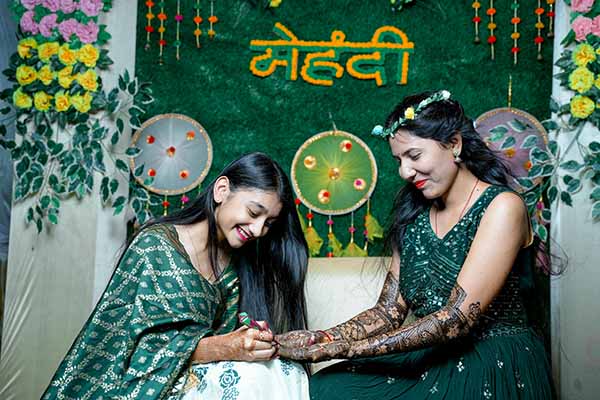
5. The Candid Mehendi Process
Getting a bridal mehendi takes a long time to complete. Thai requires a lot of patience as you have to sit still for hours. So why not make the most of this time? Ask your photographer to capture the moment when the Mehendi Artist applies the Mehendi. All you have to do is be yourself and keep smiling.
The candid shots of the mehendi process also showcase the skilled hands of the artist and the anticipation on your face. This is the most authentic way to document your journey of adorning yourself with Mehendi designs with stunning photos.
6. The Over-the-Shoulder Stunner
Strike a pose as the star of the frame with the "Over-the-Shoulder Stunner." Look back over your shoulder. This will subtly reveal the beautiful Mehendi design on your hands. The photographer will ensure that your mehendi and your face are in focus. This adds an air of mystery and elegance. The shot will also prominently capture the intricate henna patterns. Your Mehendi celebration will be perfectly captured through the subtle yet powerful glance over the shoulder. The “over-the-shoulder pose” is a simple yet enchanting way to showcase your Mehendi in style.
7. The Mehendi Feet Focus
Don't forget those stunning Mehendi designs on your feet! Sit comfortably and showcase the beautiful art on your feet. This pose is a perfect way to complete your Mehendi look. There are several candid poses you can do with your feet Mehendi. Show off your feet and the photographer will focus more on your beautiful Mehendi. All you have to do is smile and look in another direction.
Showing off the intricate artistry on your feet creates a balanced and comprehensive visual that signifies your entire Mehendi celebration.
8. The Girl Squad Mehendi Pose
In the "Girl Squad Mehendi Pose," position yourself in the centre and show off your graceful Mehendi hands. Surround yourself with bridesmaids forming a circle, displaying their henna designs as well. The bridesmaids' hands act as a frame.
This lively pose not only highlights the bride's Mehendi but also celebrates the collective beauty of the entire girl squad. This pose is a fun and charming way to capture everyone’s Mehendi styles in one delightful frame.
9. The Cover Your Face Pose
The "Cover Your Face Pose” adds a touch of mystery to your wedding album. Gently cover part of your face with your Mehendi hands and leave only a glimpse of your eyes. This pose will not only highlight your Mehendi but also focus on your expressive eyes. This pose adds an element of intrigue and elegance.
The “Cover Your Face Pose” is a classic way to showcase your intricate Mehendi design. Your eyes add a mystery to the photo. This pose is an all-time favourite of all Indian brides.
10. The Dancing Bride
Weddings and dancing go hand in hand. Dancing helps you to release your pre-wedding stress and also never fails to make you happy. In your Mehendi ceremony, make sure you gather all your friends and family members to dance with you. In this pose, all you have to do is dance your heart out and enjoy the ceremony. Let the photographer create magic with his skills. You will get some amazing candid happy shots.
The Dancing Bride is not just a pose but also the best way to unwind with your friends and family. With some candid dance photos, your wedding album will become more memorable and enjoyable.
Conclusion
Celebrate the joy, love and traditions of your Mehendi ceremony with these 10 effortlessly stylish photo poses. Transform your Mehendi album into a timeless visual happiness. Strike a pose, let the camera capture the magic and craft memories that will be cherished eternally!